
Dental Bridges in St. Louis Park, MN
Restore Your Smile After Tooth Loss with a Fixed Dental Bridge
When a tooth goes missing, it doesn’t just leave a gap in your smile — it can lead to shifting, misalignment, and even changes in the way you chew or speak. At Creekside Dental, we offer custom dental bridges as a reliable solution to replace missing teeth and restore the balance and function of your bite.
A dental bridge fills the space left behind by a missing tooth or multiple adjacent teeth, using natural-looking materials that blend in with your existing smile.
What Is a Dental Bridge?
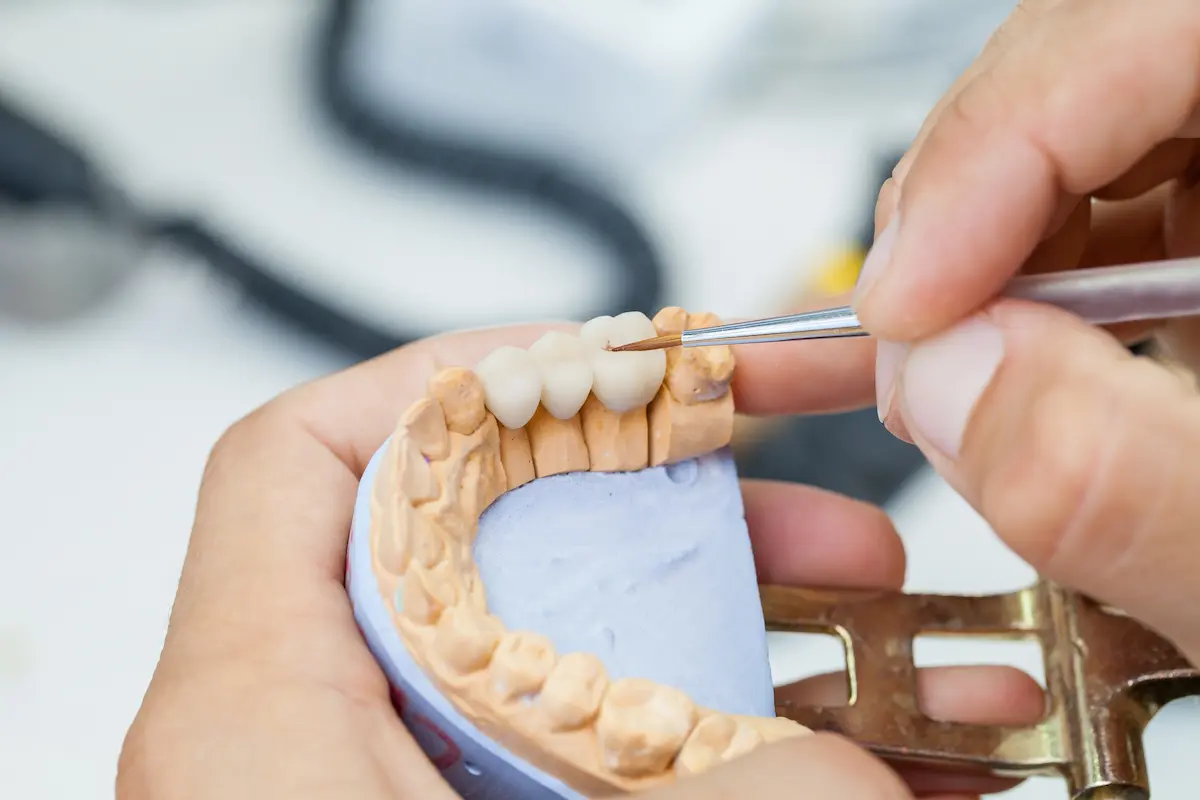
A dental bridge is a fixed prosthetic that “bridges” the gap left by one or more missing teeth. It typically consists of one or more artificial teeth (called pontics) held in place by crowns cemented onto the healthy teeth on either side of the gap (called abutment teeth).
At Creekside Dental, we offer traditional, cantilever, and implant-supported bridges, depending on your oral health and needs.
A bridge may be recommended if you:
- Are missing one or more teeth in a row
- Want a fixed alternative to a removable partial denture
- Have healthy teeth or dental implants on either side of the gap
- Are not a candidate for a dental implant due to bone loss or medical history
Types of Dental Bridges We Offer
Every smile is unique, which is why we offer multiple types of bridges depending on your goals and anatomy:
1. Traditional Dental Bridge
The most common type, this bridge uses two crowns placed on the natural teeth adjacent to the missing tooth to anchor the replacement tooth in between.
2. Cantilever Bridge
Used when there’s only one healthy tooth next to the gap. Less common but helpful in specific situations, particularly in areas with less biting force.
3. Implant-Supported Bridge
If multiple teeth are missing, we can place dental implants to support a bridge without altering nearby teeth. This option offers enhanced stability and bone preservation.
The Bridge Placement Process
Your dental bridge treatment typically requires two to three visits:
- Initial Evaluation
We examine your teeth, gums, and bite to determine whether a bridge is the right solution. If needed, we may recommend a root canal or other treatment before proceeding. - Tooth Preparation and Impressions
We shape the supporting teeth (or plan for implants if using an implant-supported bridge) and take digital impressions for a precise fit. A temporary bridge may be placed while your final bridge is fabricated. - Final Placement
Once your permanent bridge is ready, we ensure it fits comfortably and looks natural before bonding it securely in place. You'll leave with a complete smile that looks and functions like your own.
Benefits of a Dental Bridge
A bridge doesn’t just restore appearance — it protects your long-term oral health. Replacing missing teeth helps prevent bite problems, bone loss, and changes to facial structure.
Advantages include:
- Restores function and appearance
- Prevents teeth from shifting
- Maintains jaw alignment and bite stability
- Helps preserve facial shape
- Fast, fixed alternative to removable options
- Long-lasting results with proper care
Caring for Your Dental Bridge
While your bridge isn’t susceptible to cavities, the supporting teeth and gums still need daily attention. Good home care and regular dental visits are essential to maximizing the life of your restoration.
Here’s how to maintain your bridge:
- Brush at least twice daily with fluoride toothpaste
- Floss under and around the bridge using a floss threader or water flosser
- Schedule routine cleanings and exams
- Avoid chewing on very hard foods or objects
- Let us know immediately if you experience discomfort or looseness
With proper care, a dental bridge can last 10–15 years or longer.
Who Is a Good Candidate for a Bridge?
You may be a good candidate for a bridge if you:
- Are missing one or more adjacent teeth
- Have healthy teeth or implants to support the bridge
- Want a fixed (non-removable) solution
- Prefer a faster alternative to implant surgery
- Are in good oral health overall
If you’re considering your options, we’ll also discuss other restorative treatments like:
Serving St. Louis Park and Neighboring Communities
Creekside Dental provides custom dental bridges for patients in St. Louis Park, Hopkins, Edina, Golden Valley, Richfield, and throughout the Minneapolis metro area. Our patient-first approach includes clear communication, modern technology, and long-term support for your oral health.
No insurance? Ask about our Membership Plans, which include discounts on restorative treatments like bridges and implants.
Frequently Asked Questions About Dental Bridges
Lorem ipsum dolor sit amet, consectetur adipiscing elit. Suspendisse varius enim in eros elementum tristique. Duis cursus, mi quis viverra ornare, eros dolor interdum nulla, ut commodo diam libero vitae erat. Aenean faucibus nibh et justo cursus id rutrum lorem imperdiet. Nunc ut sem vitae risus tristique posuere.
How long do dental bridges last?
With proper oral hygiene and regular dental visits, most bridges last 10–15 years or more.
Do dental bridges feel natural?
Yes. Once placed, most patients quickly adjust to their bridge and find it feels much like their natural teeth.
Is getting a bridge painful?
The procedure is not painful. Local anesthetic ensures you stay comfortable during tooth preparation. Mild sensitivity after the procedure is normal but temporary.
Can I eat normally with a dental bridge?
Yes. Once your bridge is fully seated and your mouth has adjusted, you can eat most foods without restrictions.
Are bridges covered by insurance?
Many insurance plans do cover dental bridges in part. We’re happy to check your benefits and explain your options.
Call to Schedule Your Visit
Missing a tooth? Let’s talk about how a custom dental bridge can restore your smile. Call Creekside Dental at (952) 938-2740 or request an appointment online to get started.