
Endodontics in St. Louis Park, MN
Personalized Care for Tooth Pain, Infection, and Internal Tooth Damage
Creekside Dental provides endodontics for patients experiencing tooth pain, prolonged sensitivity, infection, or damage affecting the inside of a tooth. Endodontic care focuses on the dental pulp, which contains nerves, blood vessels, and connective tissue within the tooth.
Our St. Louis Park dental team evaluates the source of your symptoms and recommends treatment based on the condition of the tooth, your overall oral health, and whether the tooth can be predictably restored. Treatment may include root canal therapy, restorative follow-up, monitoring, or referral to an endodontist when a case requires specialized care.
Creekside Dental welcomes patients from St. Louis Park, Edina, Hopkins, Minnetonka, Golden Valley, Richfield, Maple Grove, and nearby Southwest Minneapolis neighborhoods.
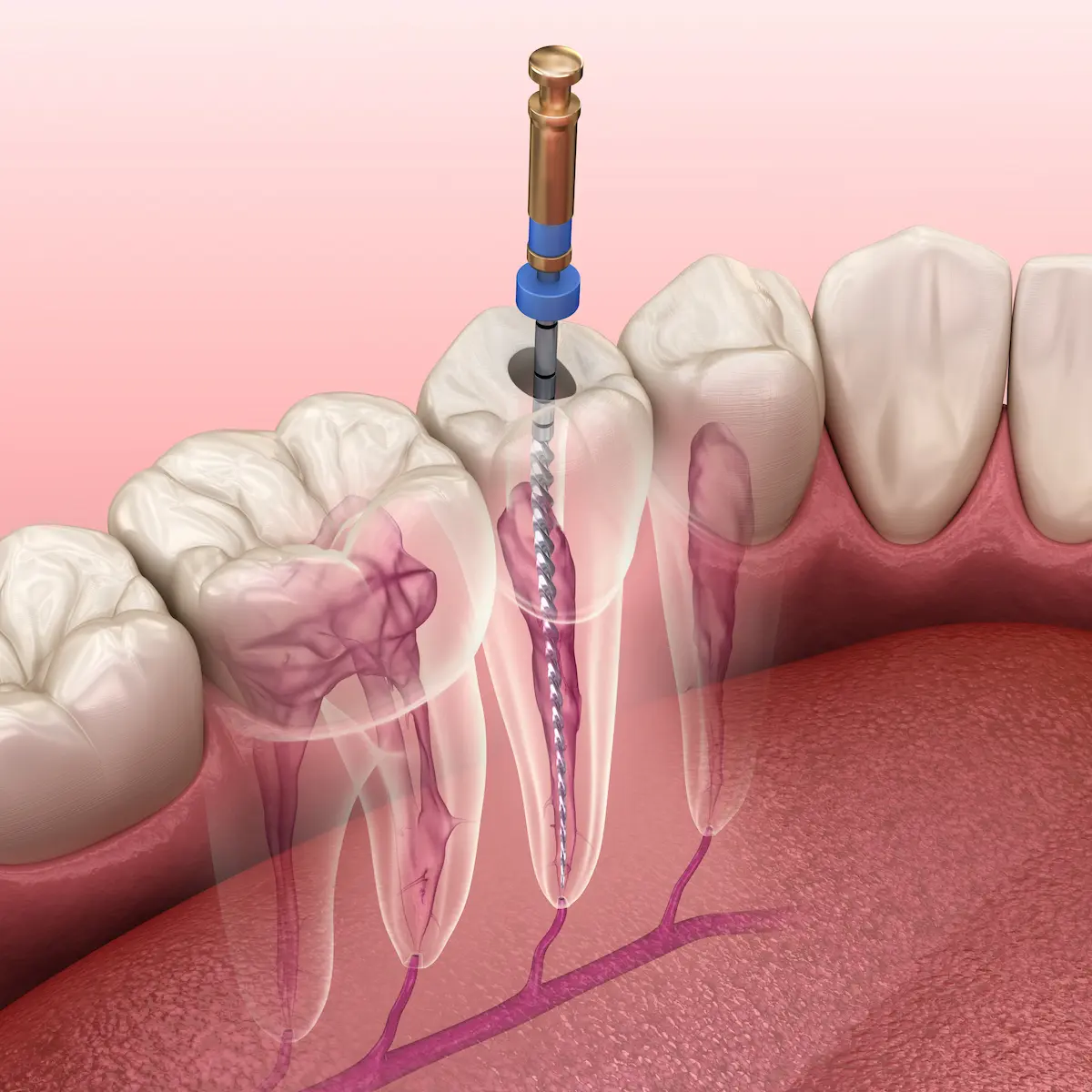
What Is Endodontics?
Endodontics is the area of dentistry concerned with diagnosing and treating conditions involving the dental pulp and the tissues surrounding a tooth’s roots. The pulp can become inflamed or infected because of deep decay, cracks, repeated dental procedures, or an injury.
Root canal therapy is one of the most familiar endodontic procedures, but endodontic care also includes:
- Diagnosing unexplained tooth pain
- Testing the health of the dental pulp
- Evaluating cracked or traumatized teeth
- Assessing dental abscesses
- Reviewing complications in previously treated teeth
- Determining whether a tooth can be preserved
- Coordinating specialist care when necessary
Patients searching for a root canal near me may need an examination before treatment can be recommended. Tooth pain can have several causes, and not every painful tooth requires root canal therapy.
Signs You May Need an Endodontic Evaluation
Symptoms affecting the inside of a tooth can range from mild sensitivity to significant pain or swelling. An evaluation may be appropriate if you experience:
- Persistent or recurring tooth pain
- Sensitivity to hot or cold that continues after the stimulus is removed
- Pain when biting or chewing
- Swelling or tenderness near a tooth
- A pimple-like bump on the gums
- Tooth discoloration or darkening
- A cracked, chipped, or injured tooth
- Pain in a tooth that previously received root canal treatment
- An unpleasant taste associated with drainage near the tooth
Some pulp and root conditions do not cause obvious symptoms initially. Clinical testing and digital imaging may reveal changes that cannot be seen during a visual examination alone.
Patients seeking a root canal St Louis Park evaluation can contact Creekside Dental for a diagnosis and discussion of appropriate treatment options.
When Tooth Pain Requires Prompt Attention
Contact a dentist promptly if dental pain is severe, worsening, or accompanied by swelling. Fever, facial swelling, difficulty swallowing, or difficulty breathing may indicate a condition requiring urgent medical or dental attention.
Creekside Dental provides emergency dental care for patients with sudden pain, swelling, broken teeth, and other urgent concerns. The dentist will determine whether endodontic treatment, restorative care, extraction, medication, or specialist referral is appropriate.
Conditions Addressed Through Endodontic Care
Endodontic evaluation may be recommended for several conditions involving the pulp or root structures.
Deep Tooth Decay
Untreated decay can extend through the enamel and dentin into the pulp. Once the pulp is irreversibly inflamed or infected, a filling alone may not be enough to restore the tooth.
Pulp Inflammation or Infection
Bacteria can enter the pulp through decay, cracks, or damaged restorations. Treatment may be necessary to remove infected tissue and reduce the risk of the infection spreading.
Dental Abscess
An abscess can form when infection reaches the root area. Symptoms may include pain, swelling, drainage, or tenderness, although some abscesses cause few noticeable symptoms.
Cracked or Fractured Teeth
A crack can expose or irritate the pulp. Whether the tooth can be preserved depends on the location and depth of the crack and the amount of healthy tooth structure remaining.
Dental Trauma
A blow to the mouth can damage the pulp even when the tooth does not appear visibly broken. Changes may develop immediately or months after the injury.
Previously Treated Teeth
A tooth that has already undergone root canal therapy can occasionally develop new symptoms because of reinfection, an untreated canal, a damaged restoration, or a new crack. Retreatment or specialist care may be considered after evaluation.
Endodontic Services at Creekside Dental
Creekside Dental integrates endodontic diagnosis with comprehensive restorative treatment planning. Services may include:
- Tooth-pain evaluation
- Digital dental imaging
- Pulp vitality testing
- Bite and percussion testing
- Cracked-tooth assessment
- Root-related infection evaluation
- Root canal treatment when appropriate
- Evaluation of previously treated teeth
- Planning for a crown or other final restoration
- Referral to an endodontic specialist for complex cases
Patients specifically seeking root canal in St. Louis Park MN can receive an examination to determine whether root canal therapy is needed and whether treatment can be completed at Creekside Dental.
For more information about the procedure itself, visit our root canal therapy page.
How Root Canal Treatment Works
1. Examination and Diagnosis
The dentist reviews your symptoms, medical history, dental history, and any previous treatment involving the tooth. Digital images and clinical tests help assess the pulp, roots, surrounding bone, and remaining tooth structure.
The examination also helps determine whether the tooth is restorable. In some situations, a tooth may be too fractured, decayed, or unsupported to preserve successfully.
2. Local Anesthesia and Tooth Access
Local anesthesia is used to numb the treatment area. The dentist creates a small opening in the tooth to reach the inflamed or infected pulp.
Patients who feel anxious about dental treatment can discuss comfort options before care begins. Sedation dentistry options may be considered when medically and clinically appropriate.
3. Cleaning the Root Canals
Damaged pulp tissue is removed, and the internal canal spaces are cleaned and shaped. The goal is to reduce bacteria and prepare the canals for sealing.
The number and shape of the canals vary by tooth. Molars generally have more complex anatomy than front teeth and may require additional treatment time.
4. Filling and Sealing the Tooth
After cleaning, the canals are filled and sealed. A temporary or permanent filling may be placed depending on the treatment plan and whether additional restorative care is scheduled.
5. Restoring and Protecting the Tooth
A root canal treats the inside of the tooth, but it does not restore tooth structure lost to decay, fracture, or previous dental work. Many back teeth require a crown afterward to improve structural protection and restore normal function.
Learn more about custom dental crowns.
How Long Does Endodontic Treatment Take?
Many root canal procedures are completed in one or two appointments. Treatment time varies based on:
- The tooth being treated
- The number and shape of the canals
- The severity of infection
- Whether the tooth was treated previously
- The presence of a crown, post, or other restoration
- The need for additional medication inside the tooth
- Whether specialist care is recommended
Mild tenderness after treatment is possible and often improves over several days. Patients should follow the dentist’s instructions and avoid chewing hard foods on a temporarily restored tooth until the final restoration is completed.
Benefits of Preserving a Natural Tooth
When a tooth can be restored, endodontic treatment may help:
- Remove infected or inflamed pulp tissue
- Relieve symptoms associated with pulp disease
- Preserve the natural tooth
- Maintain chewing function
- Support normal bite alignment
- Reduce the need for tooth replacement
- Protect surrounding teeth from shifting
Keeping a natural tooth is not always possible or appropriate. Creekside Dental explains the expected benefits, limitations, and alternatives before treatment begins.
Risks and Limitations of Endodontic Treatment
Root canal therapy has potential risks and cannot guarantee that a tooth will remain healthy indefinitely. Possible limitations include:
- Temporary soreness or sensitivity
- Persistent or recurring symptoms
- Reinfection
- Fracture of weakened tooth structure
- Difficulty cleaning complex canal anatomy
- Need for retreatment
- Need for endodontic surgery
- Need for extraction if the tooth cannot be preserved
- Future repair or replacement of the crown or filling
The condition of the tooth before treatment, the quality of the final restoration, oral hygiene, and regular dental care can all affect long-term function.
Who May Be a Good Candidate?
Endodontic treatment may be appropriate for a patient who has:
- Inflamed or infected dental pulp
- Deep decay affecting the inside of the tooth
- A restorable cracked or injured tooth
- Adequate gum and bone support
- Enough remaining tooth structure for restoration
- A desire to preserve the natural tooth
- Medical health that permits dental treatment
A clinical examination is required to determine candidacy.
When Root Canal Treatment May Not Be Recommended
Root canal treatment may not be the appropriate option when:
- The tooth has a vertical root fracture
- Decay extends too far beneath the gumline
- Too little healthy tooth structure remains
- Gum disease has caused severe support loss
- The tooth cannot be restored to useful function
- Medical factors limit treatment
- The expected outcome does not justify the procedure
When a tooth cannot be preserved, the dentist may discuss extraction and possible replacement options.
Root Canal Treatment vs. Tooth Extraction
Root Canal Treatment
Root canal treatment is intended to preserve the natural tooth. It generally requires a final filling or crown and may help maintain the existing bite without creating a new space.
Tooth Extraction
Extraction removes the affected tooth. It may be necessary when the tooth is severely fractured, extensively decayed, or otherwise unrestorable. After healing, the missing tooth may be replaced with a bridge, implant, or removable prosthesis when appropriate.
Patients considering replacement after an extraction can learn about dental implant treatment.
The recommended approach depends on the tooth’s condition, surrounding bone and gum health, treatment cost, long-term restorability, and patient preferences.
Cost of Endodontic Care in St. Louis Park
The cost of endodontic treatment varies by case. Factors may include:
- The type and location of the tooth
- The number of root canals within the tooth
- Whether the tooth has been treated before
- The severity of infection
- Diagnostic imaging
- Sedation or comfort options
- Specialist involvement
- The type of final filling or crown
- Dental insurance benefits
A front tooth, premolar, and molar can involve different treatment requirements. Retreatment is also typically more complex than initial therapy.
Creekside Dental provides a treatment estimate after the examination and explains whether restorative treatment will involve a separate cost.
Technology Used for Endodontic Evaluation
Creekside Dental uses specific dental technologies to support diagnosis, treatment planning, and patient education, including:
- Digital imaging
- Intraoral cameras
- Digital impressions
- Laser-assisted dental care when clinically appropriate
These tools help the team view tooth structure, explain findings, and coordinate restorative treatment. Learn more about our dental technology services.
Endodontic Care From Creekside Dental
Dr. Gabe De Los Rios earned his dental degree from the University of Minnesota School of Dentistry. He provides general and restorative care, including root canal treatment, fillings, crowns, bridges, and other tooth-preserving services. He is a member of the American Dental Association, Minnesota Dental Association, and Minneapolis District Dental Society.
Dr. Robert Laing graduated from the University of Minnesota School of Dentistry in 1993 and has practiced dentistry for more than 30 years. A longtime St. Louis Park resident, he focuses on helping patients address dental discomfort and restore oral function.
Complex anatomy, retreatment cases, and surgical procedures may be referred to an endodontist when specialist care is considered appropriate.
Learn more about our St. Louis Park dentists.
Serving St. Louis Park and Nearby Communities
Creekside Dental is located at 3340 Republic Avenue, Suite 130, in St. Louis Park, MN. We provide endodontic evaluations and comprehensive dental care for patients from:
- St. Louis Park
- Edina
- Hopkins
- Minnetonka
- Golden Valley
- Richfield
- Maple Grove
- Southwest Minneapolis
Our practice is located in St. Louis Park and does not claim office locations in Burnsville, St. Cloud, Eden Prairie, or St. Louis, Missouri. Patients from communities outside our primary service area may still contact the office to ask whether scheduling at our St. Louis Park location is practical for their needs.
Frequently Asked Questions About Endodontics
Lorem ipsum dolor sit amet, consectetur adipiscing elit. Suspendisse varius enim in eros elementum tristique. Duis cursus, mi quis viverra ornare, eros dolor interdum nulla, ut commodo diam libero vitae erat. Aenean faucibus nibh et justo cursus id rutrum lorem imperdiet. Nunc ut sem vitae risus tristique posuere.
Is endodontic care the same as a root canal?
No. Root canal therapy is one type of endodontic treatment. Endodontics also includes diagnosing pulp disease, evaluating cracked or injured teeth, assessing previously treated teeth, and determining whether specialist care is needed. An examination helps identify the cause of symptoms and the most appropriate treatment.
How do I know if I need a root canal?
Persistent pain, lingering hot or cold sensitivity, pain when biting, swelling, tooth darkening, or a bump on the gums may indicate pulp damage. However, these symptoms can have other causes. Digital imaging, pulp testing, and a clinical examination are needed before root canal therapy can be recommended.
Is root canal treatment painful?
Local anesthesia is used to numb the treatment area. Patients may feel pressure during treatment, and mild tenderness can occur afterward. The experience varies depending on the tooth and severity of infection. Creekside Dental discusses comfort measures and post-treatment instructions before the procedure begins.
How long does root canal treatment take?
Many root canal procedures are completed in one or two visits. Complex anatomy, significant infection, or previous treatment can require additional appointments or specialist care. A separate visit may also be needed to place a final crown or restoration after the root canal is completed.
Is a root canal better than extracting the tooth?
A root canal may be preferred when the tooth can be predictably restored because it preserves the natural tooth and bite alignment. Extraction may be appropriate when damage is too extensive. The better option depends on tooth structure, gum and bone support, cost, health considerations, and long-term treatment goals.
.jpeg)
Schedule an Endodontic Evaluation in St. Louis Park, MN
Persistent tooth pain, swelling, prolonged temperature sensitivity, or discomfort while chewing may indicate a condition requiring professional evaluation. Early diagnosis can clarify whether the tooth needs root canal treatment, restorative care, monitoring, extraction, or specialist attention.
Creekside Dental
3340 Republic Ave, Ste 130
St. Louis Park, MN 55426